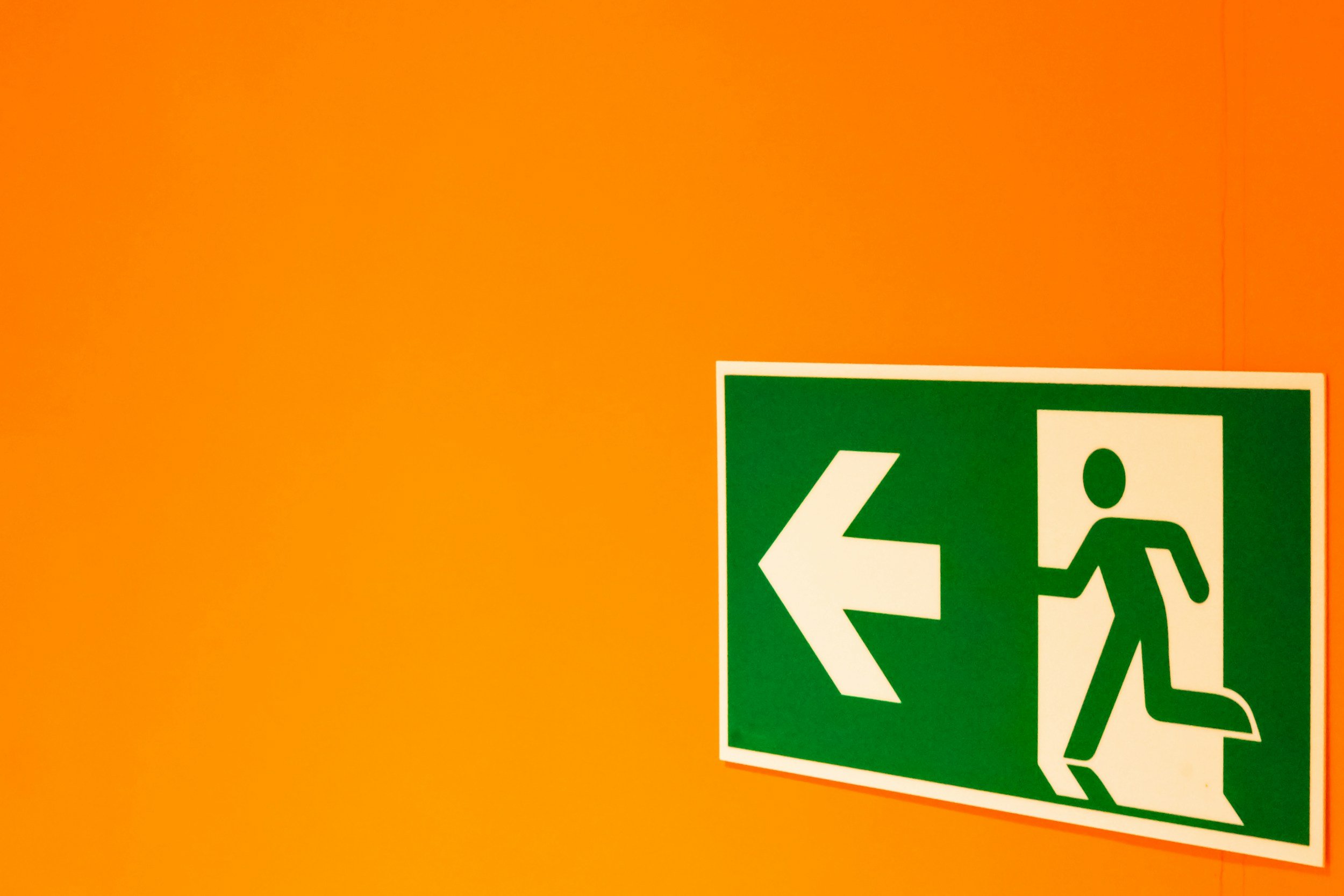
Emergency Isn’t Disaster
I didn’t set out to write a book. I set out to understand something that didn’t sit right.
For years, I’ve worked in and around emergencies. Fires, floods, pandemics, biosecurity threats. Big things. The kinds of events we call disasters once they’ve already gone wrong. Over time, a pattern started to emerge. Not in the hazards themselves. They are chaotic, unpredictable, often unavoidable. The pattern was in what happens around them. Who is exposed, who is protected, and who is left to deal with the consequences.
It stopped feeling random. It started feeling designed.
This book is my attempt to make sense of that.
At its core is a simple idea. Emergency isn’t disaster. Disaster is what happens when the systems around us fail to protect people. When vulnerability is allowed to grow. When inequality is accepted as normal. When we look away.
We tell ourselves stories about disasters. That they are natural. That they are unlucky. That sometimes people bring them on themselves. I don’t buy that . What I’ve seen in control centres, in communities, and in the moments after everything falls apart is that most of the damage was already there, waiting. The hazard just revealed it.
So this book isn’t really about disasters. It’s about us. How we organise ourselves. What we prioritise. What we tolerate. What we ignore. It’s about how we treat each other, because that is where disaster is made, and where it can be prevented.
I’m writing this because I don’t think we can keep pretending disaster is bad luck. Not when the same patterns keep showing up. Not when the same people keep paying the price.
If disaster is something we create, then it is also something we choose.
And right now, we are choosing it.